
It is the honest question every first time buyer asks before spending real money: is eFoiling actually hard to learn, or is that just marketing? Here is a straight answer, what the learning curve really looks like, and what shortens it.
The honest answer
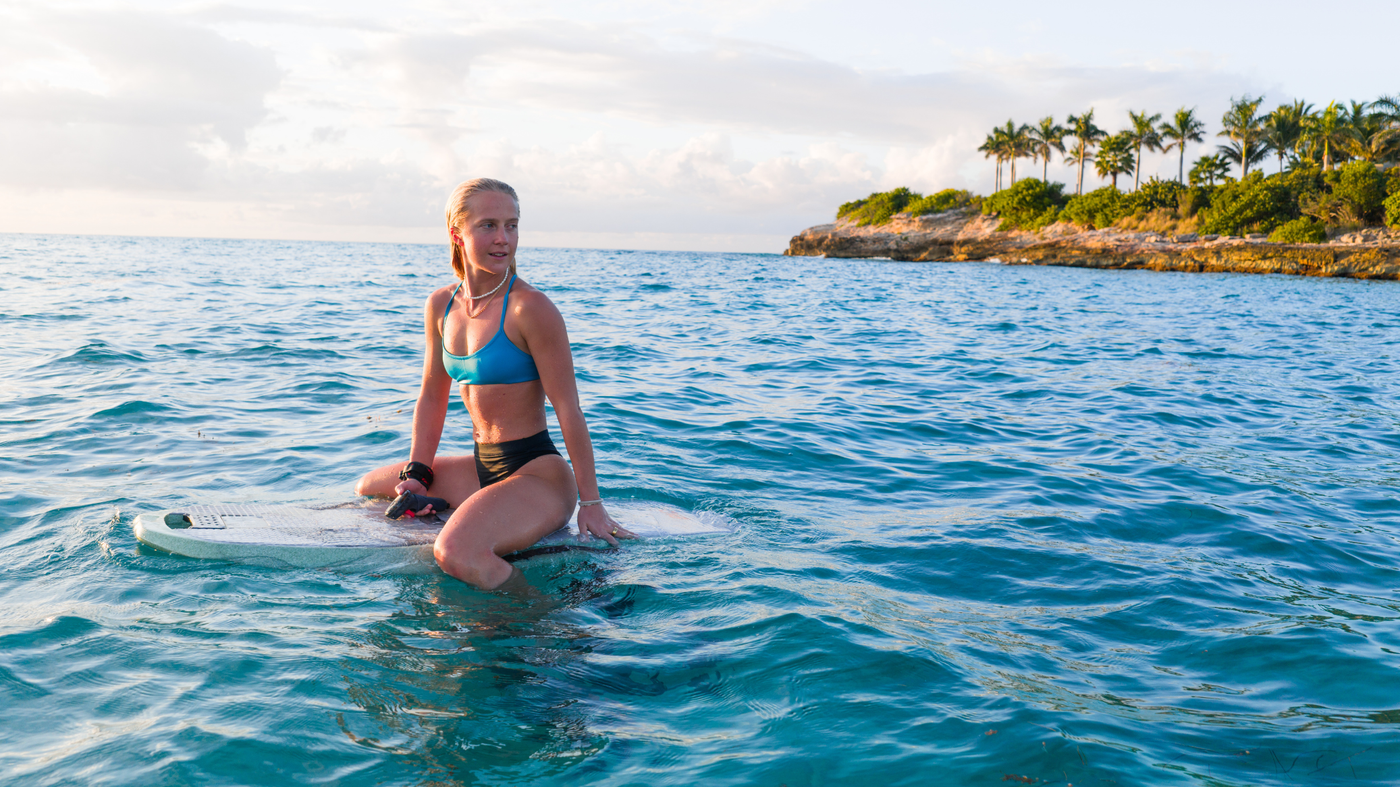
For most reasonably fit people, eFoiling is easier to learn than it looks. Because the motor supplies the power, you are not fighting to generate speed the way you would in a wind or paddle sport. Your job is balance and throttle control, and both come with a little time on the board. Many riders are gliding on the surface in their first session and holding short flights within one to three.
What the learning curve looks like
The progression is usually the same. First you learn to lie or kneel and get comfortable moving across the water on the board. Next you stand and ride on the surface, steering with your weight and managing the throttle smoothly. Then comes the key moment: a small, steady increase in power that lifts the board onto the foil, and learning to hold that flight without over correcting.
The most common early mistake is too much throttle too quickly, which pops the board up before you are balanced. Calm, flat water and a patient, gradual hand on the throttle solve most of it.
What makes it easier
Three things shorten the curve. A larger, more stable board gives you a forgiving platform while you learn. A lower power setting keeps everything gentle and predictable. And a stabilising sensor system takes some of the balancing work off you in the early sessions.
On the Waydoo Flyer EVO, that sensor system is called Flight Assist. It is available on the Max Plus, Pro Plus and Master models and is designed to steady the board as you find your balance. Larger volume boards such as the 130L Max Plus also make the first flights more manageable than a small, low volume board would.
How to set yourself up to learn faster
Pick calm, flat water with space around you. Start on a stable, higher volume board and keep the power low. Wear the wrist leash so the motor cuts if you come off. Most of all, book a dealer demo before you buy: an hour with someone who rides regularly will teach you more than any video, and it lets you feel the difference between models before you choose.
Who might find it harder
If you have limited water confidence or no board experience at all, expect a few more sessions, and lean on a demo and a stable setup. If you are an experienced foiler who already rides prone, wing or downwind, you are not really the beginner this guide is written for, and a foil assist such as the Waydoo FoilBoost may suit your goals better than a full eFoil.
If you are still deciding what an eFoil even is, start with what is an eFoil and how it works. When you are ready to weigh the investment, read how much an eFoil costs in Europe.
Book a dealer demo Talk to the team