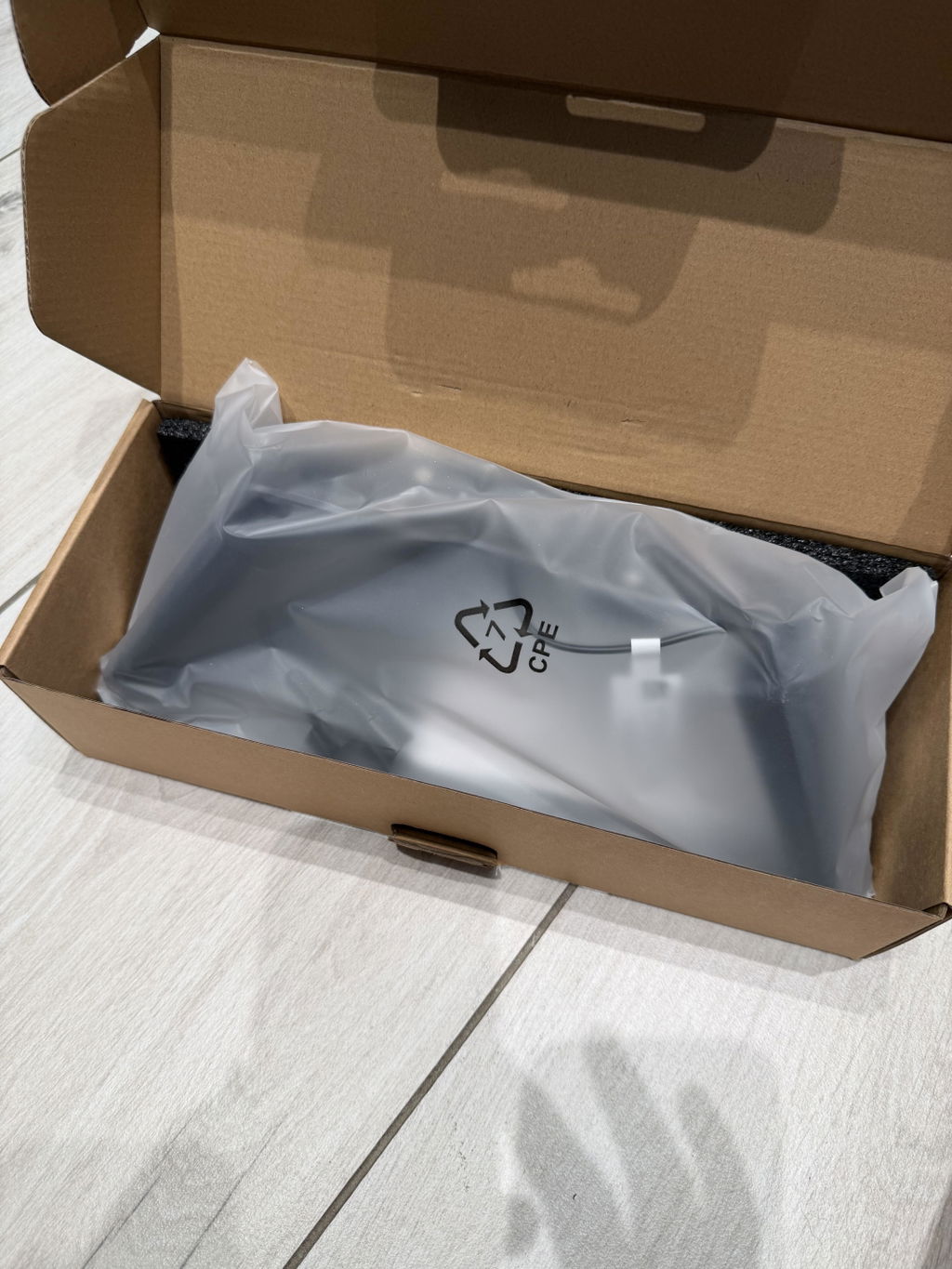
The battery is the most valuable single part of an eFoil and the one that needs the most thought when it is not in the board. A Flyer EVO runs on a Powerflight battery of 1800 Wh or 2300 Wh, and between sessions, on the road and over winter it has to live somewhere. This piece looks at the Waydoo Fireproof Battery Box: what the listing says it is, what it does not claim, and when a storage box earns its place.
What the Fireproof Battery Box is
The Fireproof Battery Box is a storage and transport box designed for the Waydoo Powerflight battery. The listing describes a tough aluminium body, fire-resistant construction and an integrated 21 L water bag, and states its purpose plainly: to help contain heat and reduce risk during transport or storage. It is listed at €604 at the time of writing.
| What the listing states | Detail |
|---|---|
| Designed for | Waydoo Powerflight batteries |
| Body | Aluminium, described as fire-resistant |
| Water bag | Integrated, 21 L |
| Intended use | Battery storage and transport |
| Fire rating or test standard | Not published on the listing |
| Price | €604 |
That fifth row matters. The listing does not publish a fire rating or a test standard, so we do not quote one, and nobody should read the product name as a guarantee. A box of this kind is there to limit the consequences of a battery fault. It does not make a damaged battery safe.

When a storage box makes sense
Three situations come up again and again. The first is winter, when the battery spends months in a garage, shed or utility room: our eFoil winter storage checklist covers the routine. The second is the car or van, where the battery travels next to people and luggage on the way to the water. The third is shared spaces such as clubs, schools and rental bases, where several packs are stored together. In each case the box gives the battery a fixed, enclosed place of its own instead of a shelf or a boot floor.
One limit is worth stating. The listing describes storage and transport. It does not say a battery can be charged inside the box, so we do not suggest that. Charge as your Flyer EVO manual describes, with the Powerflight Charger or the Powerflight Invertable Charger, and store the battery once it has cooled.
A box does not replace battery care
Most battery problems are prevented earlier, by how the pack is charged, rinsed and stored. The full routine is in eFoil battery care, charging and storage. Two points from Waydoo's own support guidance are worth repeating here. If you start charging straight after a ride, a message that charging is paused while the battery cools is normal, and charging resumes when the pack has cooled. And if a battery is swollen, unusually hot, smoking, leaking, dropped or physically damaged, stop using it and stop charging it at once. Move it away from anything flammable, leave it alone, and file a warranty claim marked urgent. Do not test it, discharge it or charge it to see what happens.

What it protects, in numbers
The Flyer EVO Powerflight Battery is listed at €2,419 for the 1800 Wh pack and €3,049 for the 2300 Wh pack, with a warranty of 24 months and under 300 cycles. Against that, a storage box is a small share of the value it looks after, and riders who keep a second pack, as described in second battery or second charger, have twice the reason to store them properly. For anyone shipping a pack, Waydoo Europe can supply the UN38.3 test report and the material safety data sheet that carriers and customs sometimes ask for. How long a pack lasts over the years is covered in how long an eFoil lasts, and day to day range in battery life and range.
Who does not need one
The box is designed for Powerflight batteries. It is not listed for FoilBoost or Subnado batteries, which are different packs with their own care notes. And if your battery never leaves a dedicated storage spot away from anything flammable, a box adds less. For everyone else moving a board around, the Flyer EVO Board Bag and the Flyer EVO Mover handle the board while the box handles the battery.
Related reading: battery care, charging and storage, the winter storage checklist, and second battery or second charger.