A stand-up paddle board does not have to stay paddle-powered. Clamp a compact underwater scooter under the hull and the same board keeps moving when your shoulders are done, holds its line against wind and current, and carries a child or a dog on the nose without every metre costing a stroke. This guide explains how SUP motor kits work, the three ways to mount one on a board you already own, the speeds you can realistically expect, and the battery rules worth knowing before you travel with one.
Can you put a motor on a paddle board?
Yes, and you do not need to buy a purpose-built electric board to do it. A retrofit kit attaches a small electric thruster to your existing SUP, usually at the fin box or via a bracket fixed to the hull. The Waydoo Subnado takes this approach: it is a compact underwater scooter with a quick-release clamp system, so the same unit that pulls you along while snorkelling can be locked under a paddle board as a propulsion unit. If underwater scooters are new territory altogether, our sea scooter guide covers the basics.
The reasons riders motorise a SUP are practical ones:
- Distance. A motor stretches how far you can explore in a session, because the return leg no longer has to be budgeted in shoulder power.
- Wind and current. Conditions that turn a relaxed paddle home into hard work are exactly where a steady push earns its keep as a safety margin.
- Passengers. A child or a dog on the nose adds weight and drag. Extra thrust keeps the outing relaxed instead of turning it into training.
- Fishing and photography. When your hands are busy with a rod or a camera, a motor holds position and covers water for you.
What is a SUP motor kit?
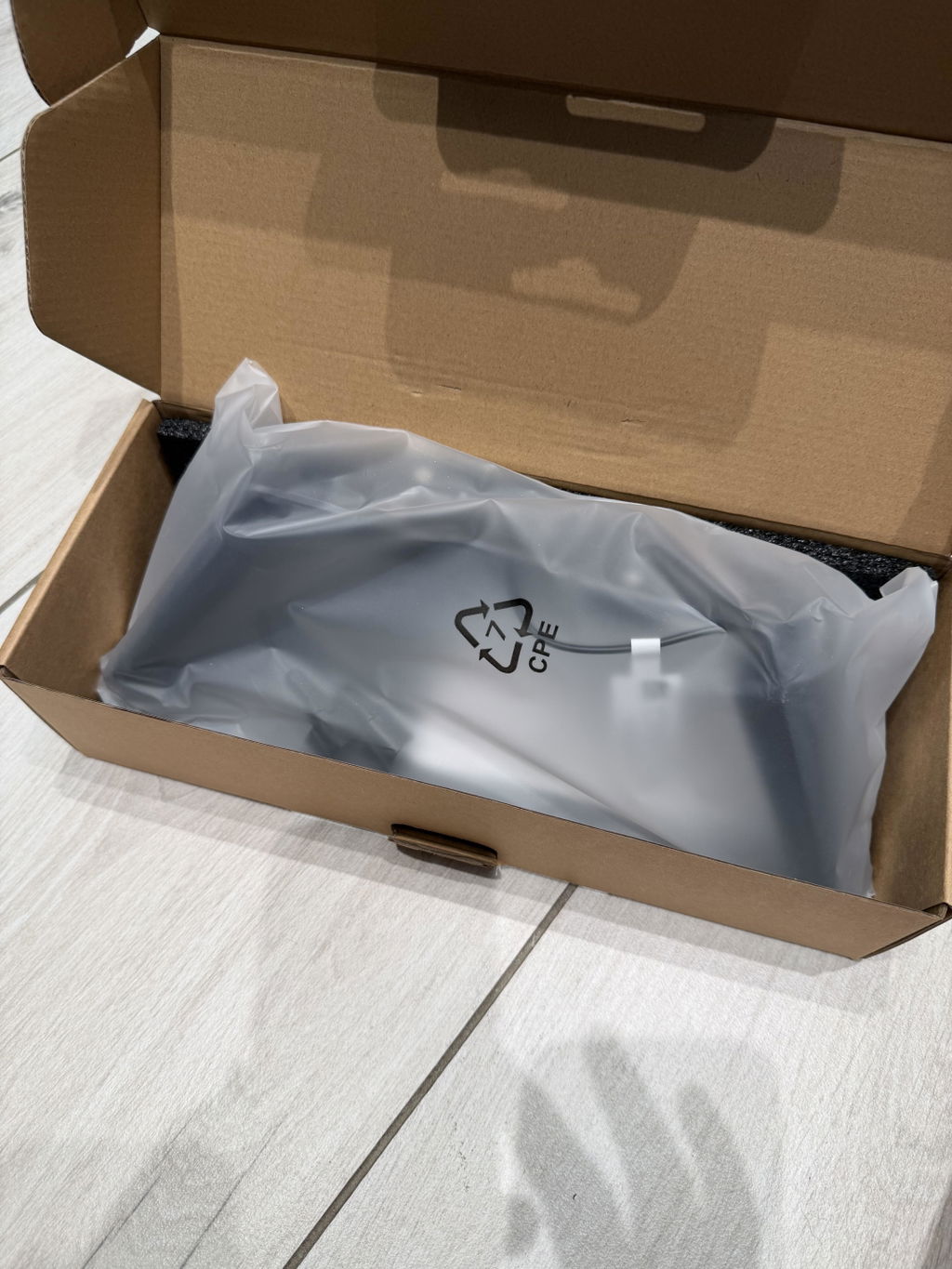
A SUP motor kit bundles the thruster and the mounting hardware in one box. The Subnado SUP Kit pairs a Subnado unit with the quick-release board mounting system, ready to fit paddle boards, surfboards and boogie boards. The scooter carries a built-in 98 Wh lithium battery, airline approved, and supports 100 W USB-C fast charging, so it tops up from the same kind of charger as a modern laptop. At the time of writing the kit is 439 euro on the Waydoo Europe store, with a two-set option if you want twin-engine thrust on a larger board.

Three mounting routes: SUP Kit, board bracket and fin box mounts
Which route makes sense depends on whether you already own a Subnado and what kind of board you ride:
| Mounting route | Works with | Price incl. VAT* |
|---|---|---|
| Subnado SUP Kit | Complete package, scooter plus mount, for paddle boards, surfboards and boogie boards | 439 euro |
| Subnado Board Bracket | Compatible SUPs, kayaks, surfboards and bodyboards, for riders who already own a Subnado | 45 euro |
| Subnado Slide-in Fin Box Mount | Inflatable paddle boards with a slide-in fin box | 83 euro |
| Waydoo US Fin Box Mount | Hard boards and paddle boards with a US fin box | 48 euro |
*Prices at the time of writing. The fin box mounts are a tidy option if your board has the matching box: they use the fin slot the board already has, so nothing is glued or strapped to the hull. The board bracket covers boards without a usable fin box. All of them connect through the same quick-release clamp, which means one scooter can tow you through a snorkelling session one day and drive your paddle board the next.
How fast does a motorised SUP go?
Honest numbers first. Waydoo publishes a maximum speed of 2 m/s, roughly 7 km/h, for two Subnado units running together; the Subnado Lite is quoted at 1.4 m/s, about 5 km/h, on its own. Actual speed depends on rider weight, the board and water conditions, and a loaded touring board sits deeper in the water than a swimmer does.
The right way to read those figures is as a brisk paddling pace you can hold indefinitely without spending any energy, not as planing speed. A motorised SUP is not a jet ski; the value is holding a steady cruise into a headwind, dry and upright, long after arms-only riders have turned back. Riders who want more push run two units side by side on a board bracket setup, and that dual-engine option is what the 2 m/s figure refers to.
Electric paddle board motor: setting it up step by step
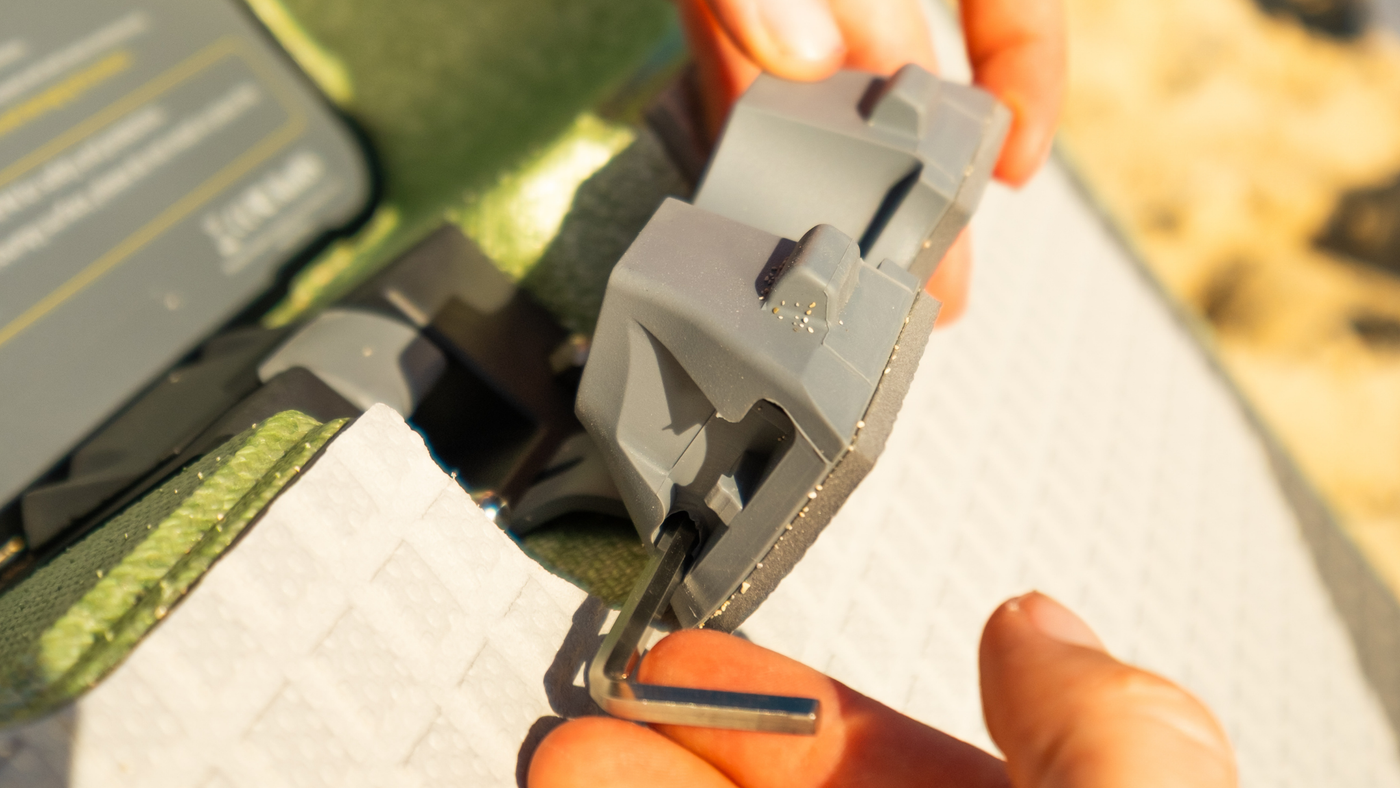
- Fit the mount. The slide-in fin box mount slides into the fin slot of a compatible inflatable board; the US fin box version bolts into a hard board's fin box; the board bracket fixes to the hull with the supplied high-strength adhesive pads, following the manual. The fin box mounts need only a hex key.
- Clamp the Subnado. The quick-release clamp locks the unit onto the mount in seconds, and releases just as quickly at the end of the session.
- Route the controller. The wired thumb controller reaches up to the deck so your throttle hand stays on the paddle.
- Charge before the first run. Charging is USB-C at up to 100 W; the Subnado Standard is fully charged in about 1.2 hours.
- Test in shallow water. Stand waist-deep, run the motor briefly, and check thrust direction and clamp seating before heading out.
- Rinse after salt water. A fresh-water rinse after each sea session keeps the propeller and clamp hardware moving freely.

SUP motor battery rules: flying and charging
The battery rules for a motorised SUP all live in the scooter, because the board itself carries no electronics. The Subnado Standard, the Lite and the unit in the SUP Kit each carry a built-in 98 Wh lithium battery, which sits under the 100 Wh threshold most airlines apply to lithium batteries in hand luggage. That is why the Subnado Lite, at 399 euro at the time of writing, is the model riders pack for trips: an inflatable SUP in the hold, the motor in the cabin. Batteries belong in hand luggage, never in checked bags, and the airline always has the final say, so confirm before you fly. The full airline picture, rules, packing and model choice, is in our guide to underwater scooters for snorkelling and travel.
Which setup should you choose?
Starting from zero, the SUP Kit at 439 euro includes scooter, mount and clamp in one box. If you already own a Subnado, a 45 euro board bracket or the fin box mount that matches your board is all that is missing. If your paddling happens at the end of a flight, the Lite's weight and cabin-friendly battery make it the travel pick. And if you would rather feel the push before deciding, the dealer network is the place to start.
Book a demo with your nearest dealer
Related reading: our underwater sea scooter guide and the underwater scooters riders take travelling.