Watt-hours do not tell you much. If you already foil and you are weighing up a foil assist system, the question you actually want answered is simpler: how many runs do I get, and what happens when the battery is finished?
Here are the FoilBoost figures, and more usefully, what they mean once you are on the water.
The numbers, and what is in the box
| Specification | FoilBoost |
|---|---|
| Battery capacity | 432 Wh total, across two packs |
| Published runtime | up to 40 min |
| Charge time | around 2.5 h, both packs in parallel |
| Thrust | 33 kg |
| System weight | 5.7 kg with both batteries |
| Travel-safe battery option | none |
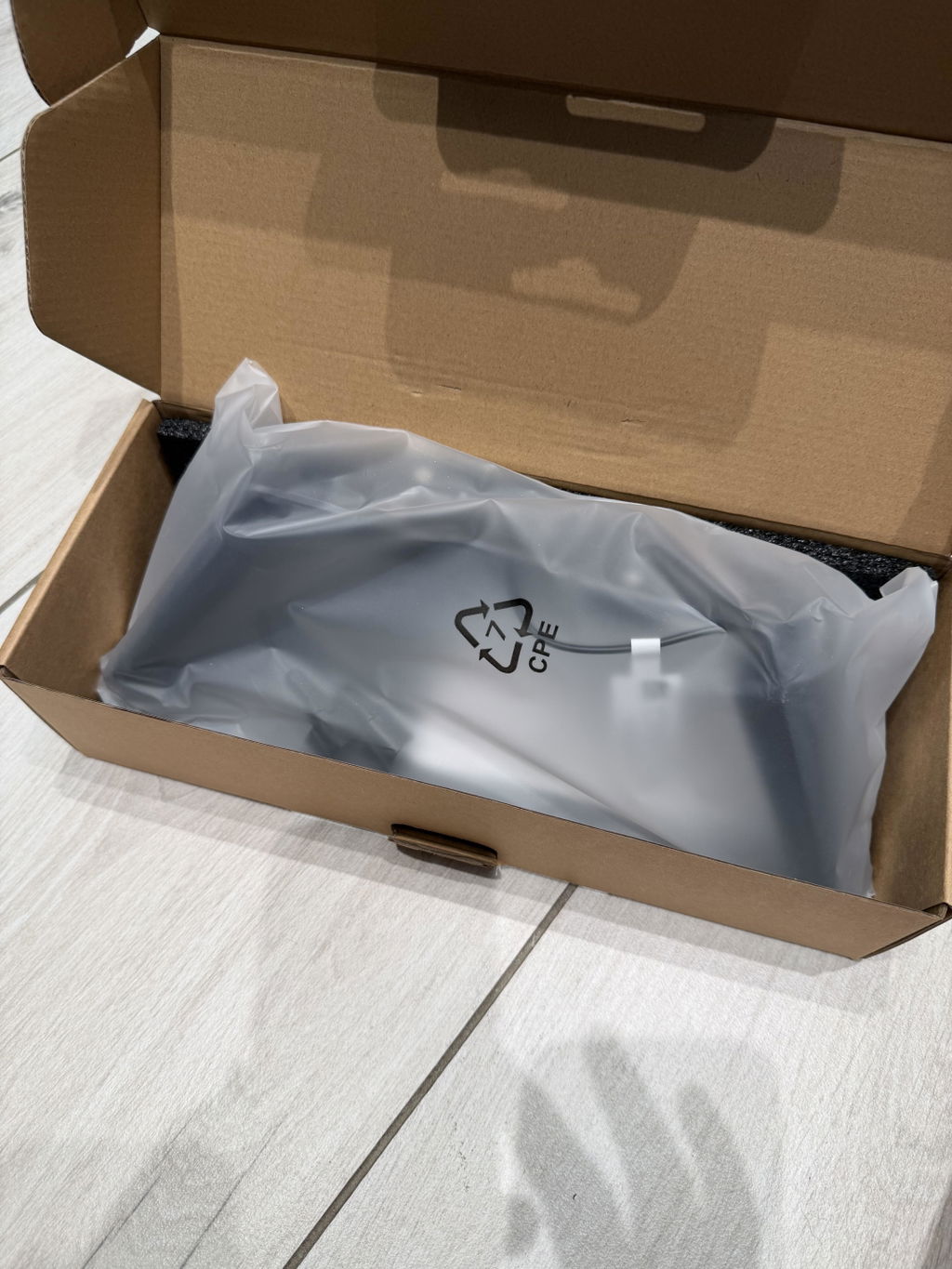
FoilBoost ships with two batteries. The often-quoted 432 Wh is the total across both packs, not the capacity of one, and the published runtime of up to 40 minutes covers that total.
That two-battery detail matters more than any single number here, because it is the most commonly misread specification in the category. When you compare against another system, check whether the figure quoted is per pack or total. We put the two side by side in our FoilBoost and Foil Drive comparison.

What 40 minutes means in runs, not minutes
Nobody uses a foil assist continuously. That is the whole point of the product: it is assist, not propulsion. You use it to get up onto foil, and then you are foiling on your own energy until you drop off.
So the useful arithmetic is not 40 minutes of riding. It is: how much assist does each takeoff consume, and how many takeoffs are in the pack.
Three things drive the answer.
How long you hold the throttle per takeoff. A rider who gets up cleanly in a few seconds gets many more runs from a pack than a rider holding full power for much longer while they work it out.
Conditions. Marginal days mean less natural energy to work with, so you lean on the motor for longer each time. The days you most want the assist are the days it drains fastest, which is the case we make in our marginal conditions piece.
Your discipline. Prone, wing and downwind all place different demands on the system, covered in foil assist by discipline. Downwind runs in particular change the pattern, because you are covering distance rather than repeating short takeoffs from one spot.
The practical outcome most riders describe: a full charge covers a normal session comfortably, and a second set of packs is what turns a session into a full day.
Charging between sessions
Around 2.5 hours to charge both packs in parallel. That number shapes how you plan a day more than anything else on this page.
If you ride a morning and want to ride again in the evening, a single set of batteries works if you put them on charge as soon as you come in. If you want back-to-back sessions with a short break, charging will not keep up, and that is the case for a second set.
A note on the spare battery: waydoo.tech lists the FoilBoost Battery in one-pack and two-pack options, but stock has been intermittent. Check the live product page rather than assuming availability, or ask the team when the next batch lands.

Battery care, and one rule that is not negotiable
The general habits are the same as any high-quality lithium pack. Do not store packs at full charge for long periods. Let them come down from hot before charging after a hard session. Keep them dry and out of direct heat. Charge where you can see them.
The rule that is not a habit but a hard stop: if a battery is swollen, hot, smoking, leaking, has been dropped, or has been wet inside, stop using it and stop charging it immediately. Do not test it, do not try one more charge to see. File a claim at support.waydootech.com/Claim and speak to a person. This is the one part of this page we would ask you not to improvise on.
Warranty cover is published as "Up to 2-Year Warranty" with cover varying by component. Battery cover specifically is worth confirming through the claim route rather than assuming.
Travelling with it
Worth knowing before you book: the FoilBoost system has no travel-safe battery option. Its packs are not in the sub-100 Wh band that airlines allow through as ordinary carry-on. If your riding involves regular flights, plan around this rather than discovering it at the airport, and check your carrier's policy for the specific pack rather than relying on a general rule.
Who this is not for
FoilBoost is bought by riders who already foil. If you are not yet getting up onto foil under your own power in some conditions, an assist system is solving a problem you have not reached yet. Our foil assist and eFoil comparison covers where the line sits. We would rather say that here than have you find it out after buying.
If you are sizing a system rather than running one, start with how much thrust a foil assist actually needs.
Related reading: how much thrust you actually need, the FoilBoost and Foil Drive comparison, and how to choose a foil assist system.