The two words get used as if they were rivals, and they are not. A hydrofoil is the wing under the board. An eFoil is a hydrofoil with a propulsion unit on the mast and a battery in the board. So the real question is not which is better. It is what the motor changes, and whether those changes are the ones you want. This guide answers that, then says which rider each one suits.
What a hydrofoil is
A hydrofoil is a mast with a wing at the bottom, fixed under a board. Once the board moves fast enough, the wing generates lift and the board rises above the water, riding on the wing alone. The result is the quiet, smooth glide every foiler is chasing. What makes the board move fast enough is the open question, and it is where the sports divide: a kite, a wing held in the hands, a tow behind a boat, or paddle and pump on a downwind foil. All of them need a power source that is not on the board.
What the motor changes
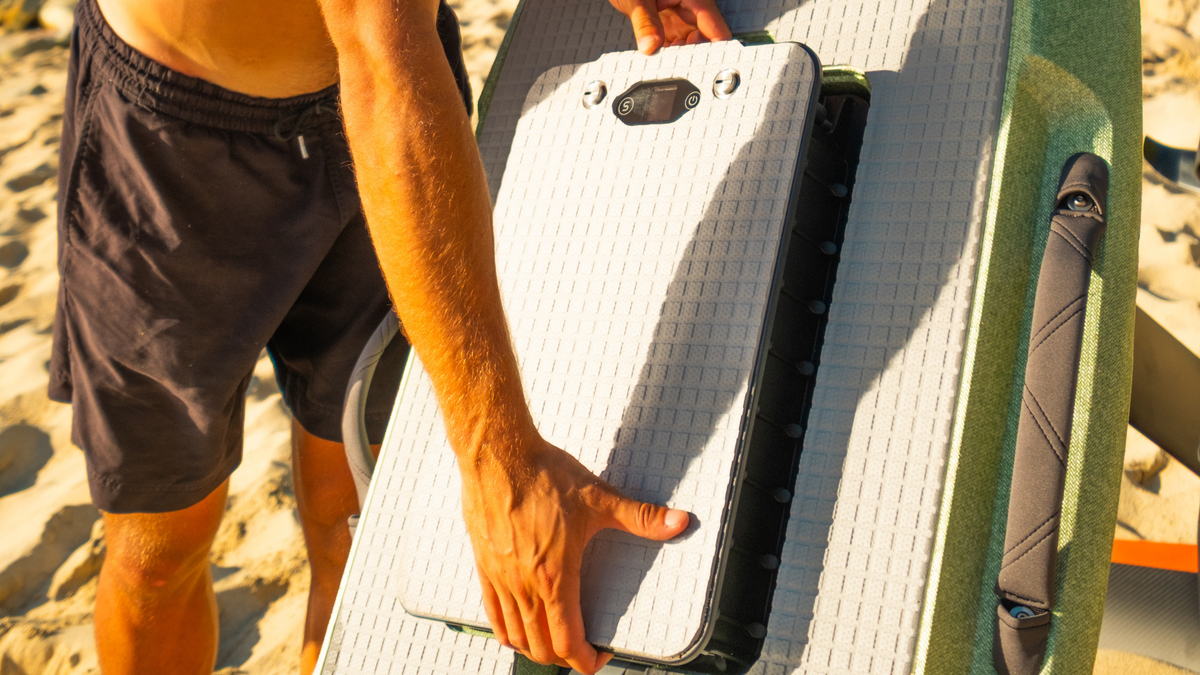
An eFoil puts the power source on the board. A Flyer EVO carries its propulsion unit on the mast and its Powerflight battery inside the board, and the rider sets the speed with a hand remote. Five things follow from that.
No wind, no tow, no kite. The eFoil flies on a flat, windless day in a bay, which is the day most other foils stay on the beach. It also means one person can ride alone without a boat or a second person.
Speed is a dial, not a condition. On a wing or kite foil, speed comes from the wind and your handling of it. On the eFoil the rider chooses the speed on the remote and holds it, which is why the learning curve is shorter. The Max Plus, Pro Plus and Master add Flight Assist, which holds the board level while you learn balance; the is eFoiling hard to learn guide covers what the first sessions look like.
A battery sets the session. A hydrofoil rides as long as the wind holds. An eFoil rides as long as the pack holds, which on a Flyer EVO depends on the pack in the configuration and how hard you ride; eFoil battery life and range explains it, and a second pack is the usual answer for long days.
Weight and running cost. The motor and battery add weight on the beach and a charge at home, in exchange for removing the wing, the kite, the boat or the lines. How long an eFoil lasts covers the cost of ownership over years.
Rules. A motorised craft is regulated differently from a wing or kite foil on many European waters. eFoil rules in Europe lists what applies where.

The Flyer EVO as an eFoil
The Flyer EVO is a modular eFoil: board, mast and propulsion unit, front wing and tail, battery and remote, all sold separately as well as in four configurations. That means the hydrofoil part of the eFoil, the wing, can be changed the way a foiler changes wings on any other setup; the wings, masts and propulsion guide explains the options. At the time of writing the entry configuration, the Lite, is listed at EUR 5,807 and the Max Plus at EUR 6,999; which Flyer EVO to order walks through the four.

Already a foiler? Then the answer may not be an eFoil
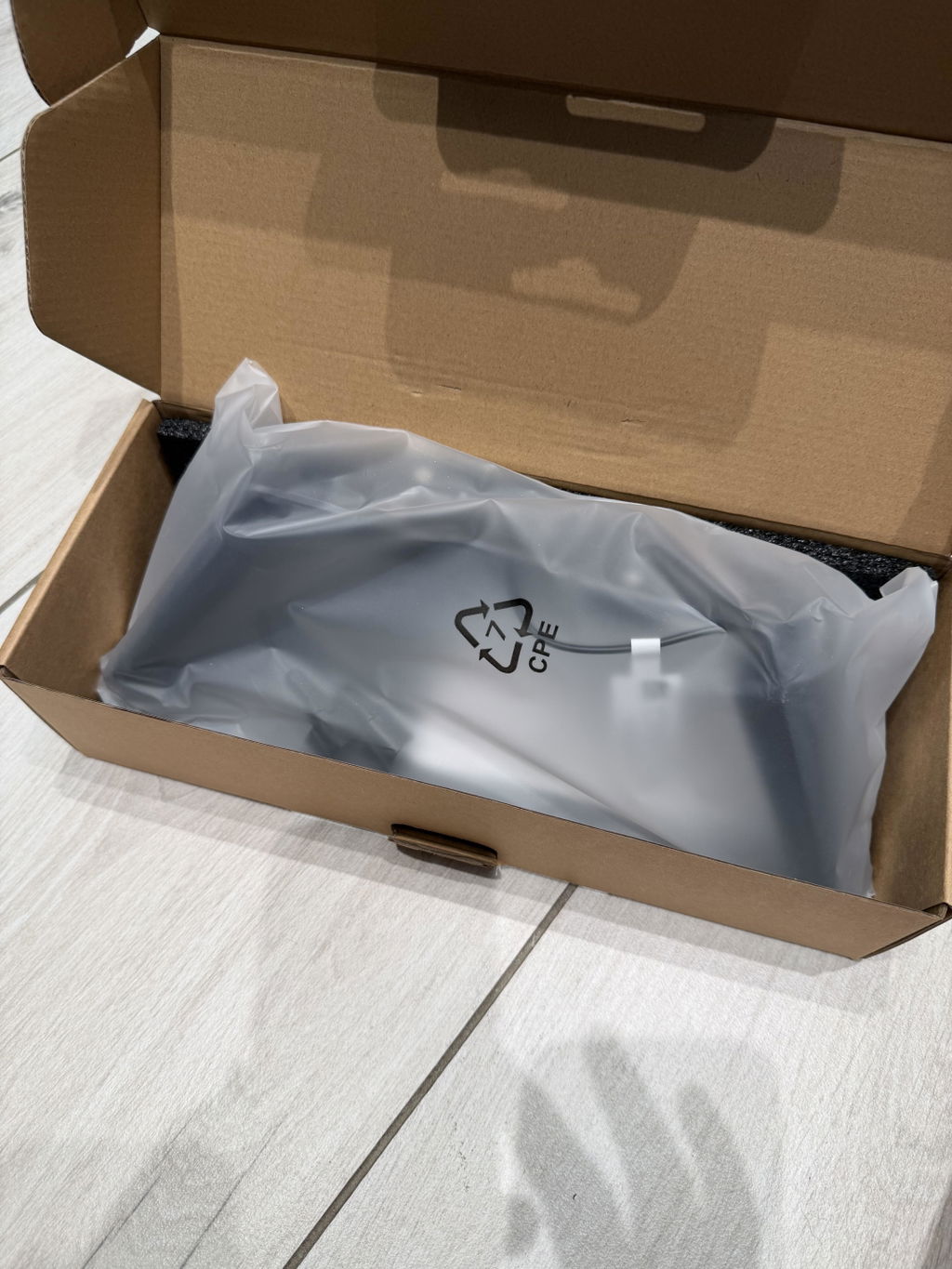
If you already ride a prone, wing or downwind foil, you already own the hydrofoil. What you may want is the motor without giving up your board and wing. That is a foil assist, not an eFoil: the FoilBoost mounts on a compatible mast and adds propulsion to the setup you have, for the light days and the long paddles. Foil assist vs eFoil is the guide for that decision, and what is in the FoilBoost kit shows what arrives.
Which one fits you
New to foiling, or want to fly on flat water without wind, a boat or a second person: the eFoil, and for a first one the Max Plus. Already foiling under a wing or kite, or prone behind the effort of your own paddle, and want to keep that setup: the FoilBoost. Want the glide with no motor at all and you have the wind or the boat for it: a hydrofoil, and Waydoo Europe will not try to sell you an eFoil for that.
Book a demo with your nearest dealer
Related reading: what an eFoil is and how it works, the beginner eFoil buyer's guide, and how fast an eFoil goes.