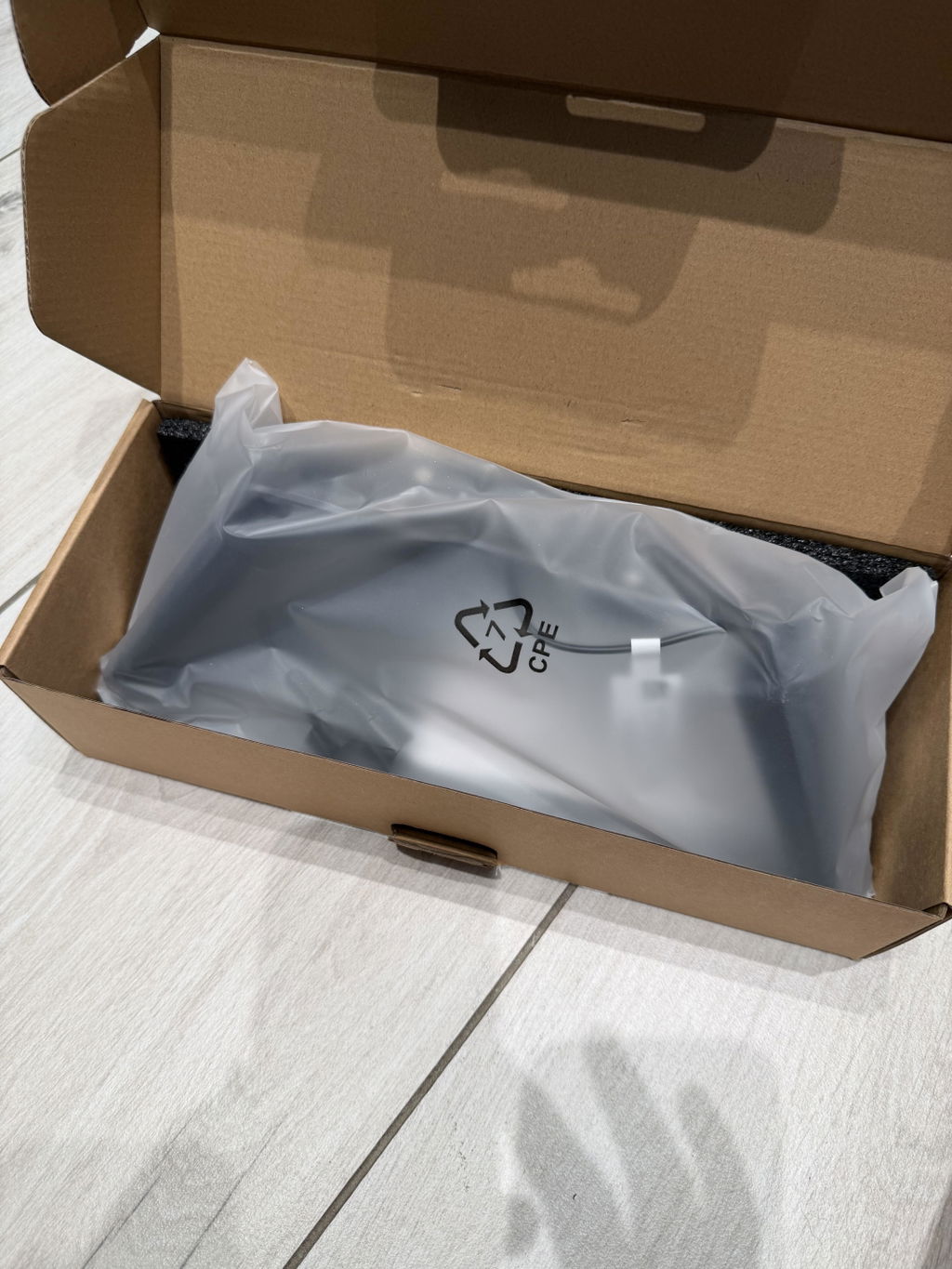
Un foil assist vale la spesa? Se vento leggero, onda debole o takeoff mancati sono ciò che limita il proprio foiling, di solito sì. Se lo spot di casa offre condizioni solide ogni fine settimana e i takeoff mancati sono rari, probabilmente no. A 3,122 euro IVA inclusa per il Waydoo FoilBoost, la domanda non è se la tecnologia funzioni. È se le sessioni che aggiunge giustifichino il prezzo per il modo in cui si naviga davvero. Questa guida fa i conti in modo onesto.
Per che cosa si paga davvero
Un foil assist aggiunge spinta su richiesta al setup da foil già posseduto. Si continua a pagaiare, pompare o tenere una wing; il motore porta sul foil e accompagna attraverso i momenti di calma e le fasi piatte che chiudono in anticipo le sessioni. Il FoilBoost lo offre in un'unica unità integrata.
| Specifica | Waydoo FoilBoost |
|---|---|
| Spinta | 33 kg |
| Batteria | 432 Wh in totale, due pacchi |
| Peso | 5.7 kg |
| Autonomia del motore | Fino a 40 minuti di assistenza, entrambi i pacchi |
| Tempo di ricarica | 2.5 ore |
| Installazione | Circa 10 minuti, passa da una tavola all'altra |
| Prezzo | 3,122 euro IVA inclusa |
Quaranta minuti di motore sembrano pochi finché non si ricorda come si utilizza un assist: a brevi impulsi per i takeoff e i collegamenti, non tenuto aperto come l'acceleratore di un eFoil. Che cosa osservare in tutti questi numeri è spiegato nella nostra guida all'acquisto del foil assist.
Il calcolo del costo per sessione
Il modo onesto di giudicare il prezzo è contare le sessioni saltate nella scorsa stagione. Chi pratica wing foil ha in genere bisogno di circa 12 a 20 nodi per partire con comodità; sotto quella soglia, gran parte delle attrezzature resta nel furgone. Chi pratica prone perde giornate a causa di un'onda troppo debole da prendere, e i rider downwind a causa di bump con cui non riescono a restare collegati.
Ora si faccia l'aritmetica. Se un assist trasforma 20 di quelle giornate perse all'anno in sessioni, il FoilBoost costa circa 156 euro per sessione aggiuntiva nel primo anno. Alla fine del secondo anno si scende sotto gli 80 euro a sessione, e la cifra continua a calare. I rider delle regioni con condizioni marginali, e questo include gran parte dell'Europa settentrionale, guadagnano spesso più di 20 giornate all'anno, ed è esattamente il caso illustrato in foil assist per condizioni marginali.
C'è un secondo risparmio, più silenzioso. Un assist permette di utilizzare il proprio foil abituale in condizioni che altrimenti richiederebbero un quiver dedicato al vento leggero: una wing più grande, una tavola da downwind, un secondo front foil. Un'unica unità che passa da una tavola all'altra può sostituire tutta quella lista di acquisti parallela.
Che cosa cambia in acqua
Numeri a parte, la differenza sta in ciò che si riesce a prendere. I takeoff smettono di essere la tassa su ogni onda: il motore fornisce la prima spinta, si sale sul foil prima e si prendono onde che si sarebbero guardate passare. Tra un'onda e l'altra, una pressione sul grilletto mantiene il collegamento invece di costringere a pagaiare di nuovo al largo. Stanchi a fine sessione, l'assist copre il margine di takeoff che le spalle non hanno più. Quanta spinta serva a quel margine di sicurezza è una questione a sé, affrontata in quanta spinta serve a un foil assist; in breve, i 33 kg del FoilBoost offrono un margine reale per i rider più pesanti e per le giornate deboli.

Un'unica unità per tutto il quiver
Il FoilBoost si installa in circa 10 minuti e passa da una tavola all'altra, quindi la stessa unità serve la tavola da prone nelle giornate piccole, la tavola da wing quando le previsioni non mantengono e una tavola da downwind quando si vuole coprire la pagaiata verso il largo. Con 5.7 kg inclusi entrambi i pacchi, che sommano 432 Wh, arriva in spiaggia come una borsa in più. Poiché si tratta di un unico sistema integrato invece che di una matrice di motori, batterie e nose cone, c'è anche una sola decisione di acquisto da prendere; il confronto è in FoilBoost vs Foil Drive.
Quando un foil assist non vale la spesa
Una segmentazione onesta vale in entrambe le direzioni.
- Se il proprio spot offre vento o onda affidabili e si naviga già quanto si desidera, un assist aggiunge comodità, non sessioni. Meglio spendere quella cifra in foil.
- Chi non pratica ancora il foil ha davanti il prodotto sbagliato. L'assist aiuta i rider che già pompano, pagaiano o usano la wing. Per volare da fermo senza tecnica alle spalle la risposta è un eFoil, e la nostra guida all'eFoil per principianti illustra quel percorso.
- Chi naviga solo per una settimana perfetta all'anno all'estero rientra nell'economia del noleggio: l'unità non vedrebbe abbastanza acqua da ripagarsi.
Il verdetto
Per i foiler il cui calendario è deciso dalle previsioni, un foil assist è uno dei pochi acquisti che comprano direttamente tempo in acqua, e il costo per sessione cala ogni anno di utilizzo. Il Waydoo FoilBoost eroga 33 kg di spinta in un'unica unità integrata da 5.7 kg a 3,122 euro, da stock UE con garanzia fino a 2 anni e supporto del rivenditore. Il modo più rapido per capire se vale la spesa è provare un takeoff con il grilletto in mano.
Prenota una prova con il rivenditore più vicino
Letture correlate: come scegliere un foil assist, quanta spinta serve e FoilBoost vs Foil Drive.